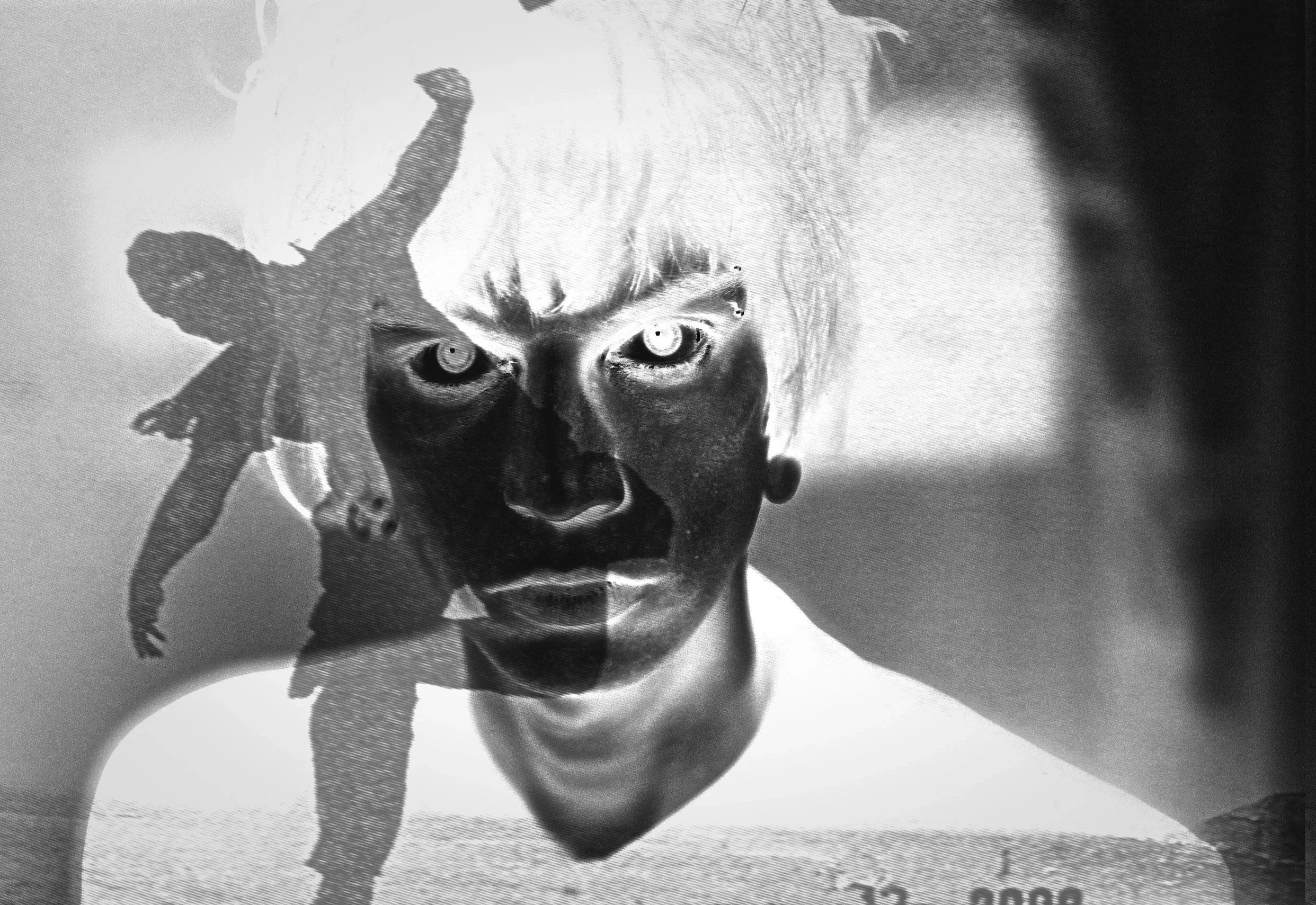
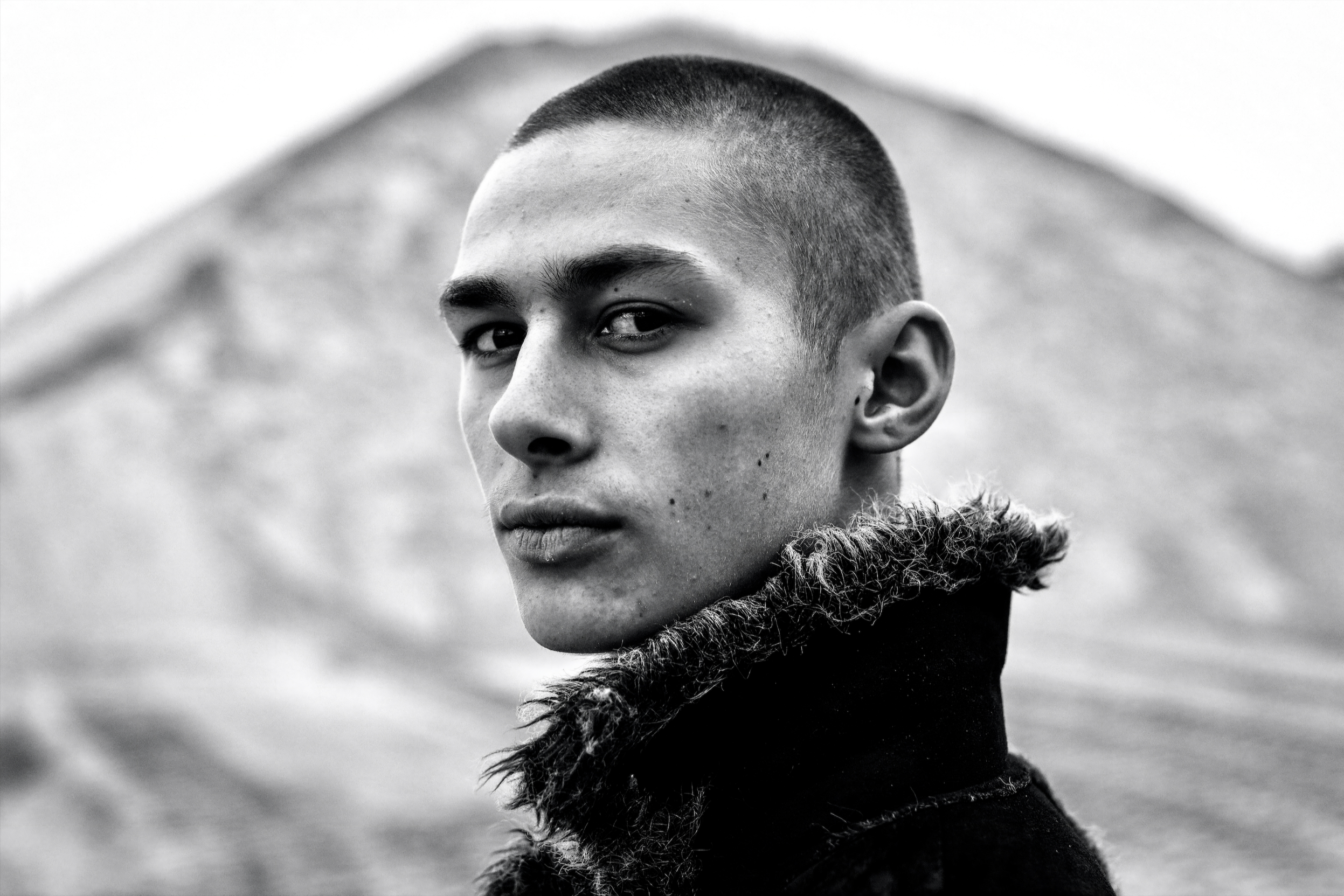
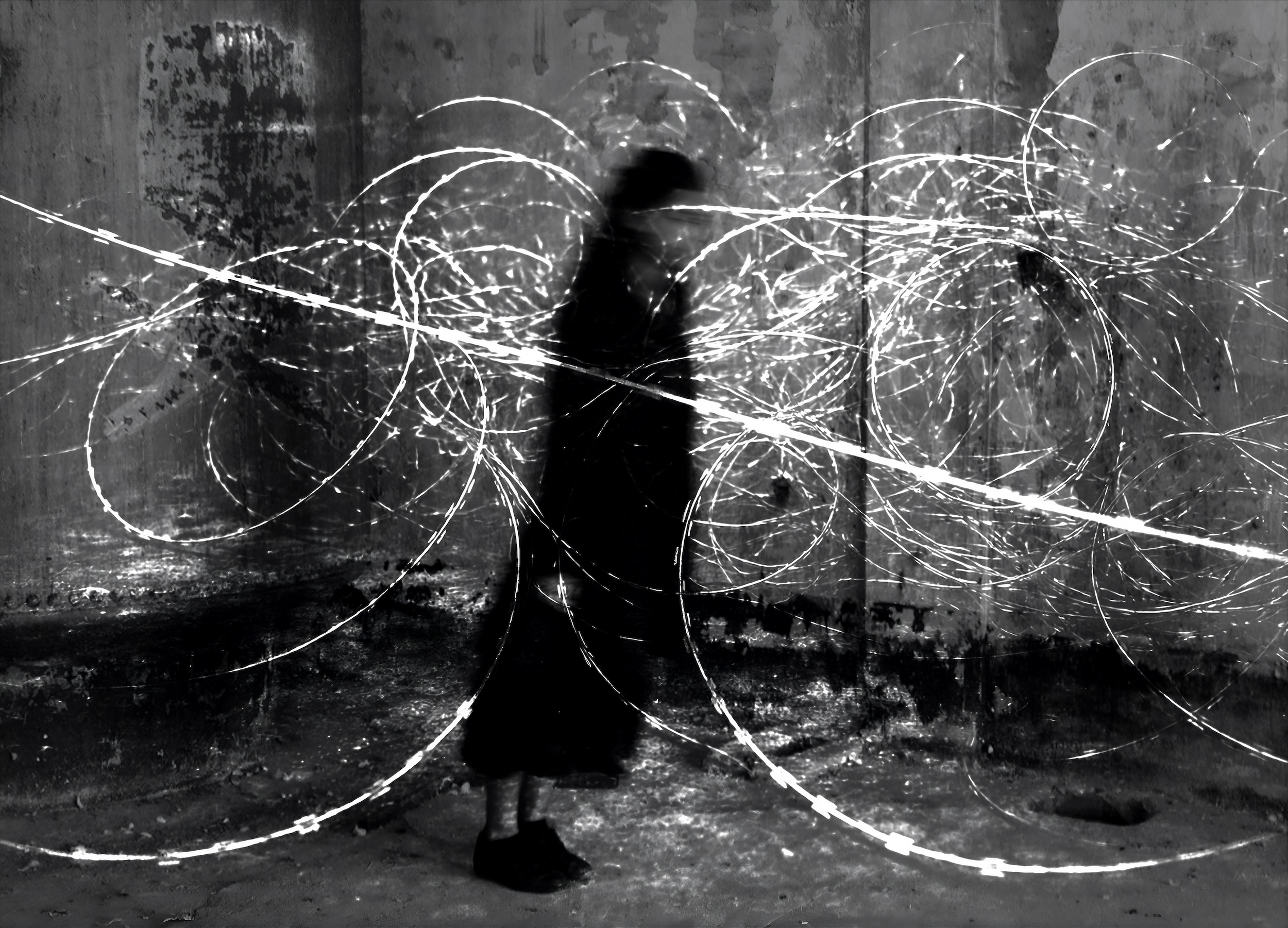
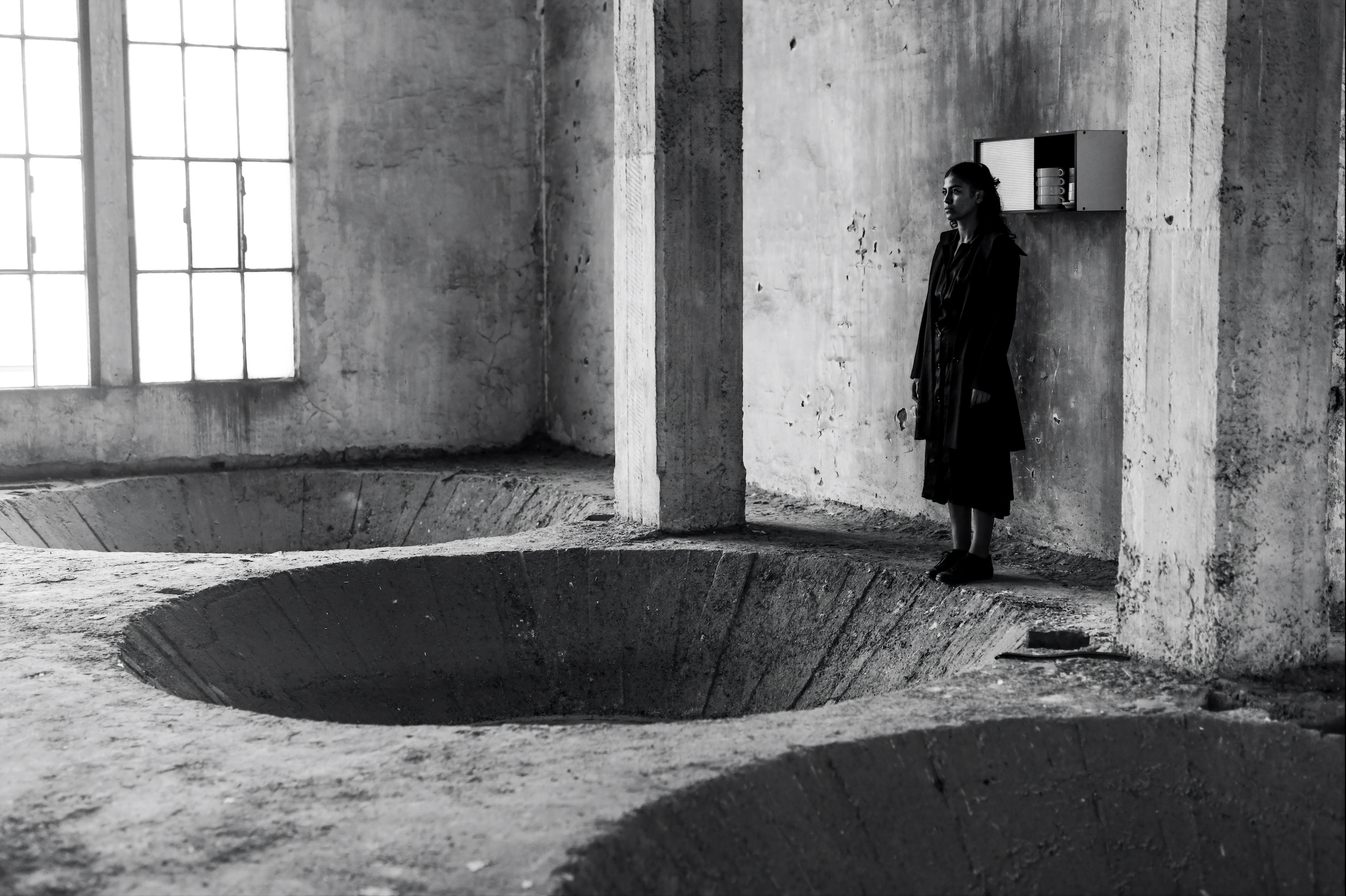
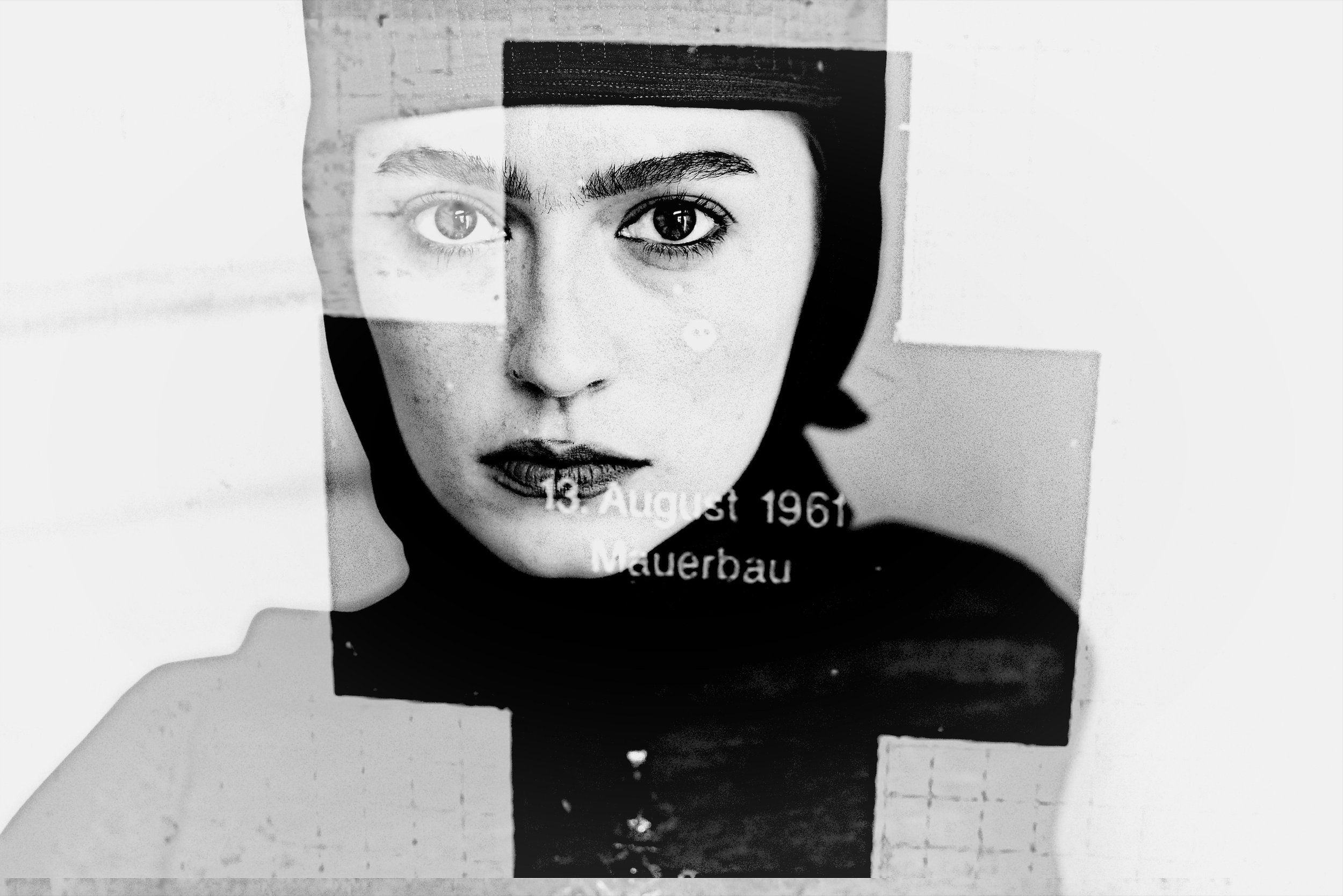
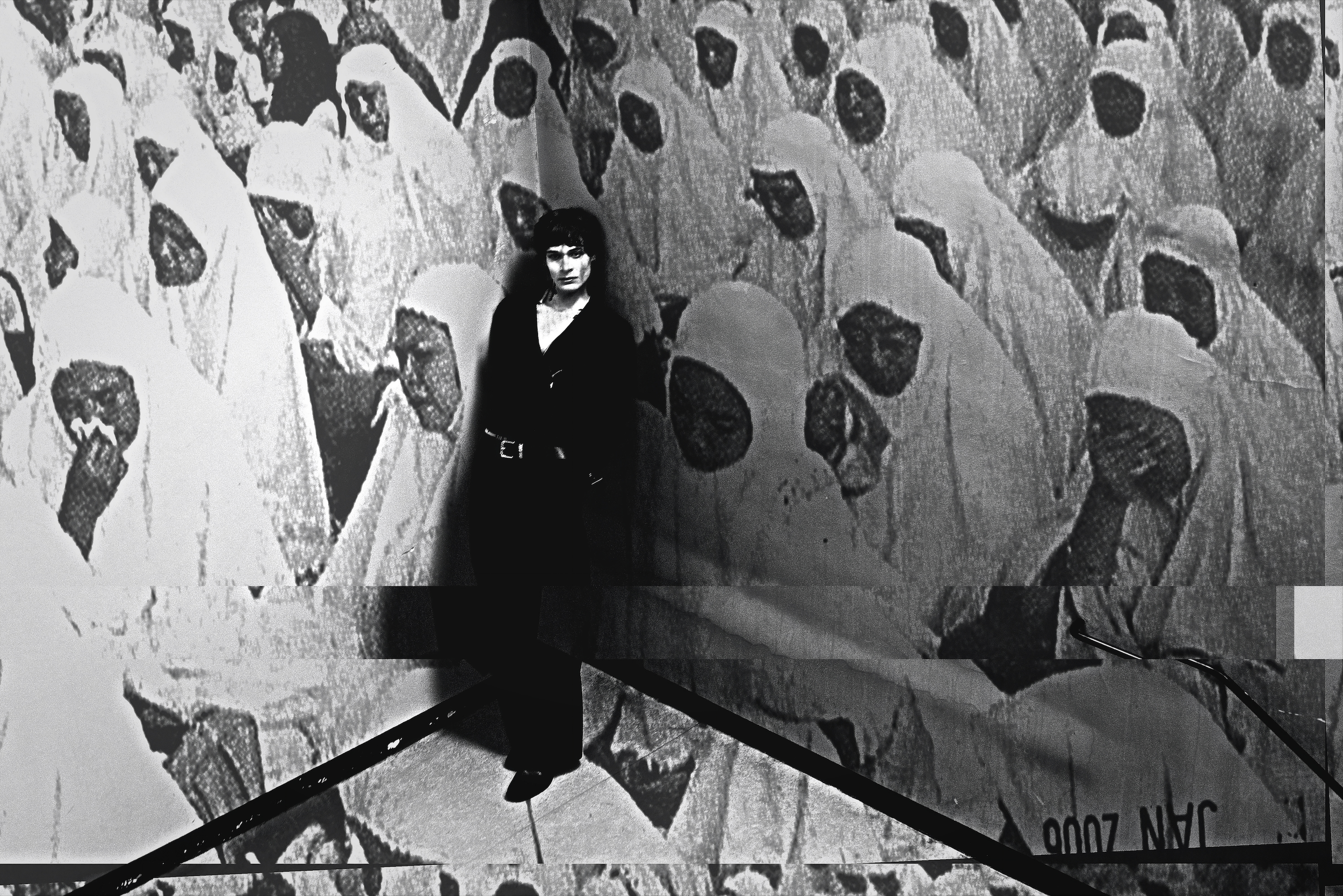
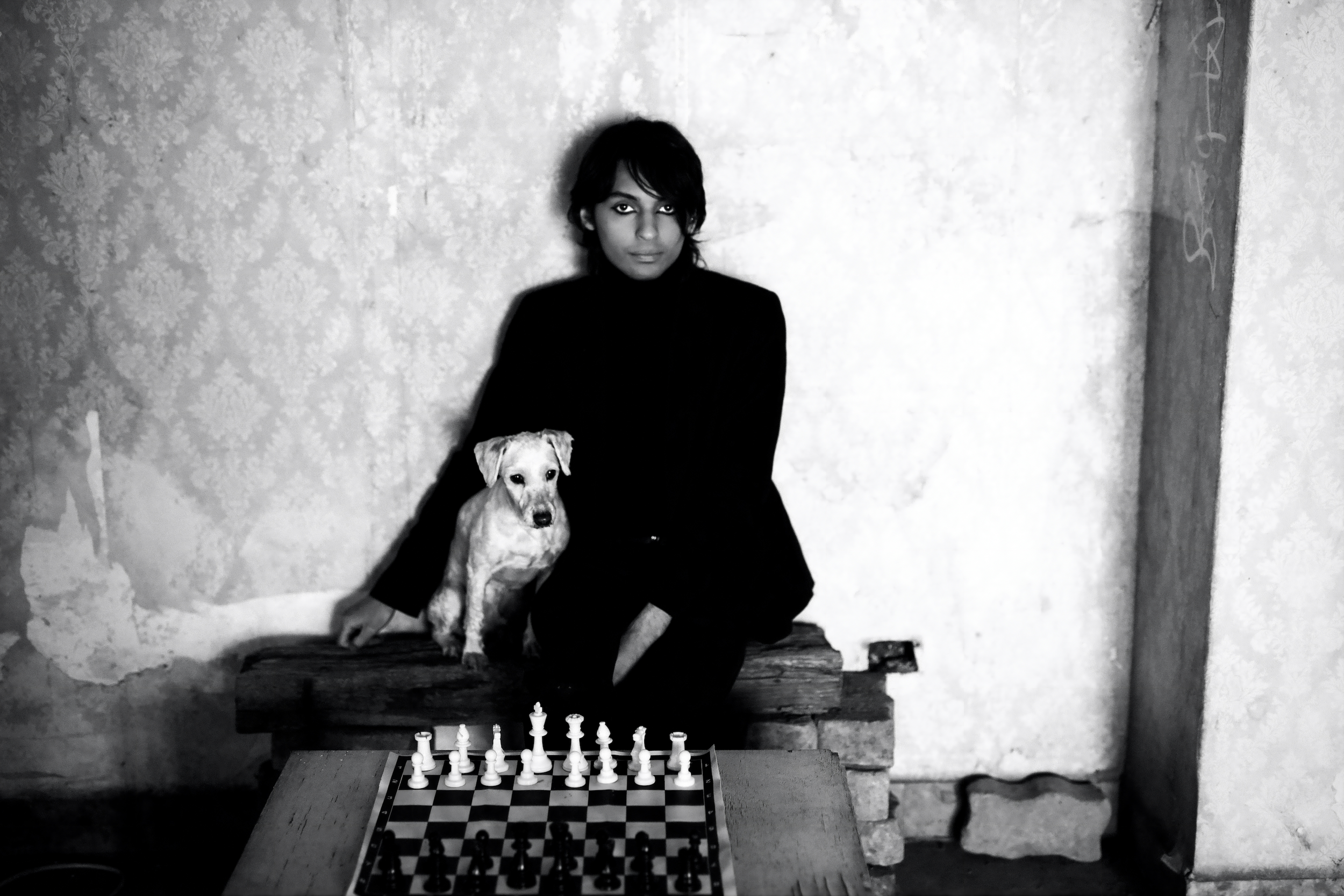
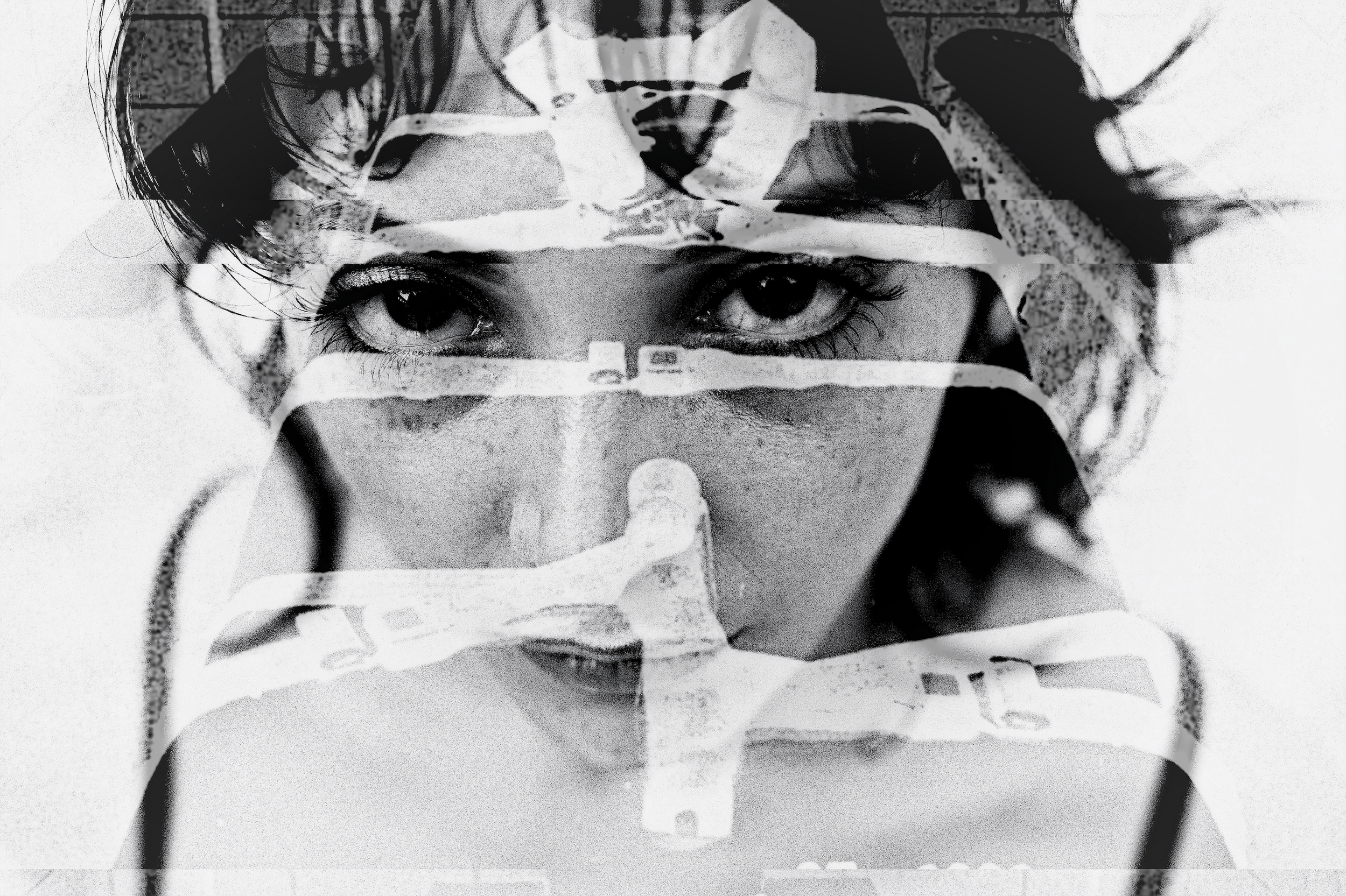
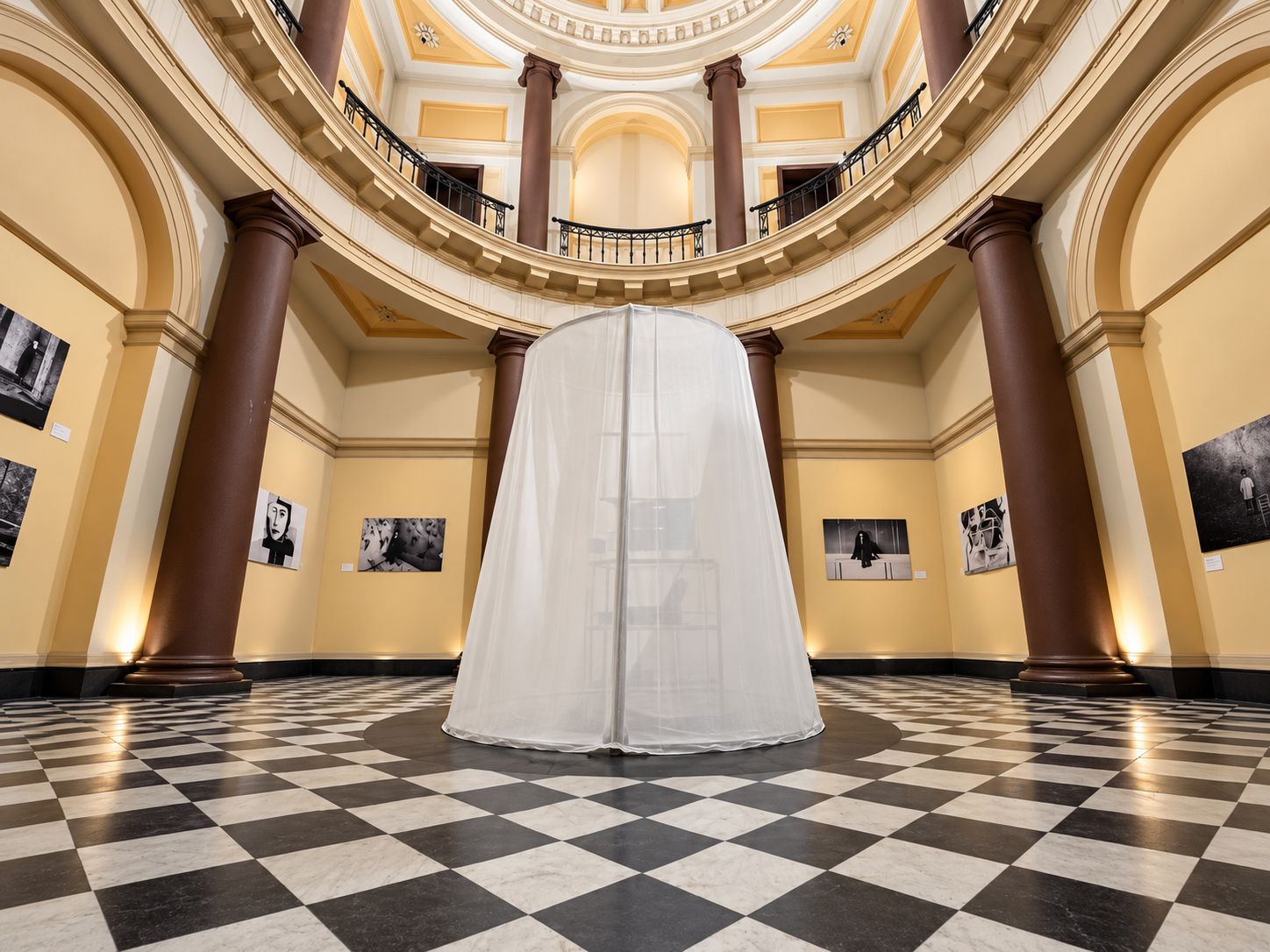
The installation begins where chance ends.
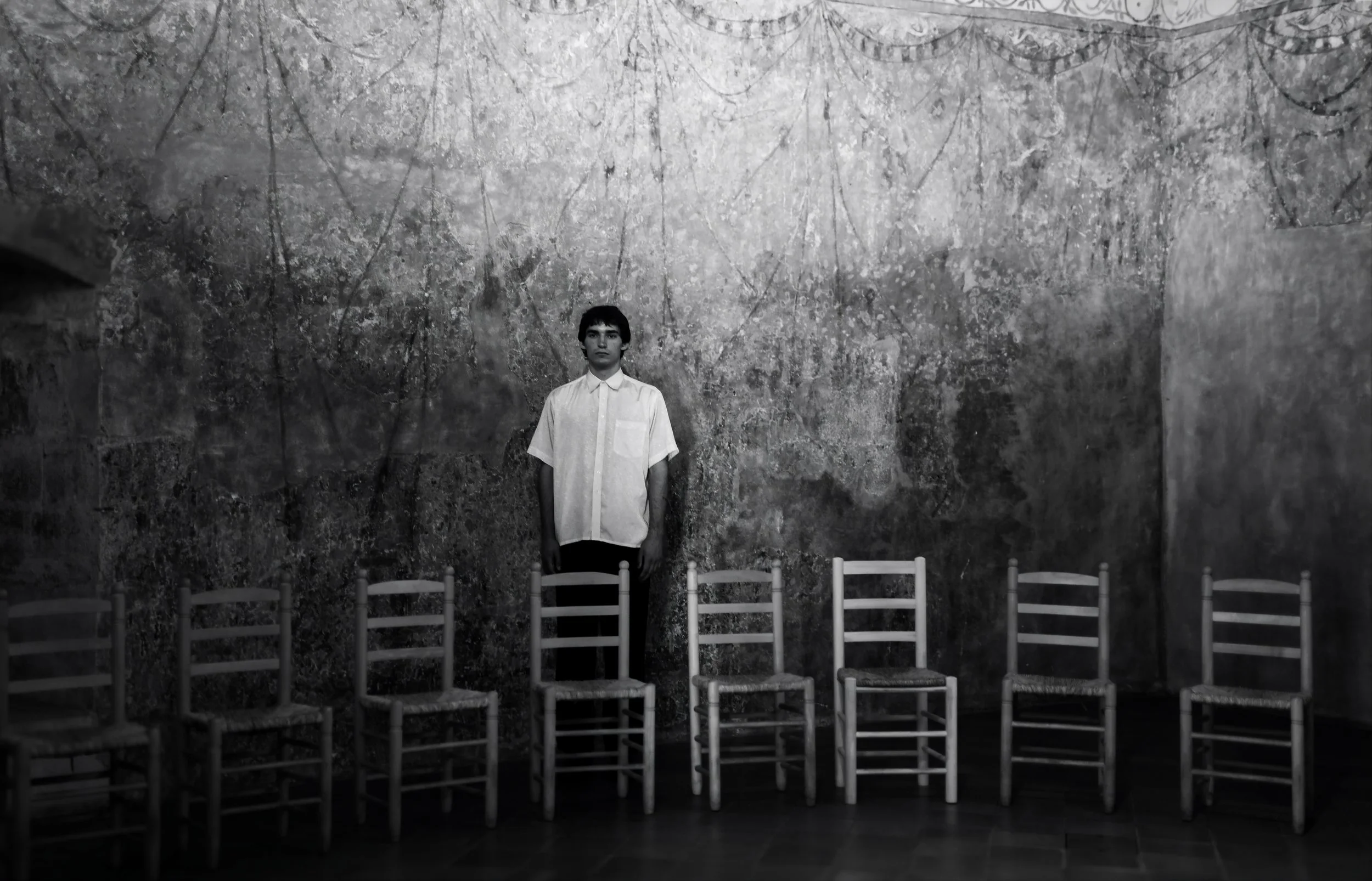
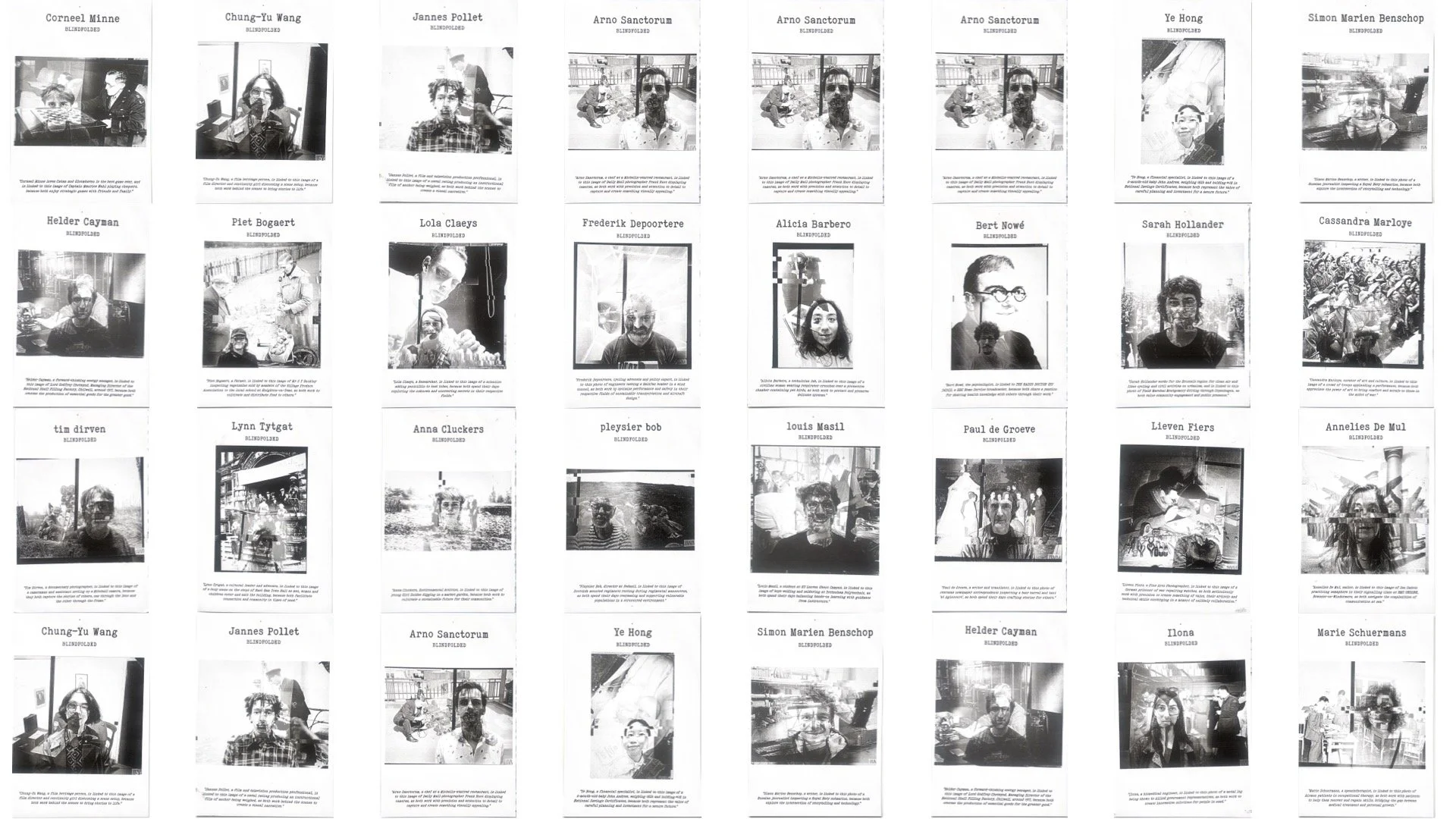
Visitors enter their name and allow their portrait to be taken.
The system searches the digital traces available about them and
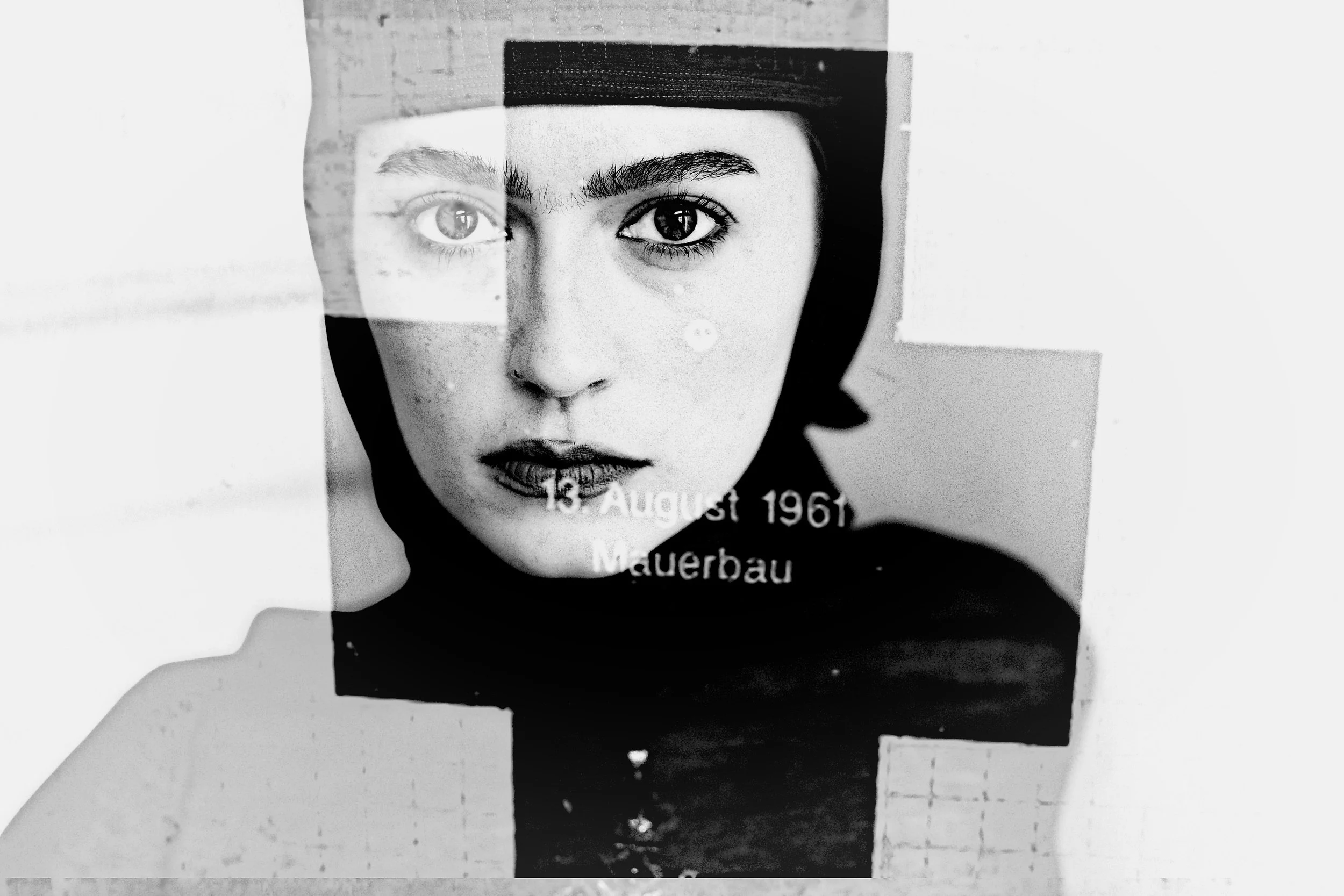
uses what it finds to connect them to a historical war photograph
from the Imperial War Museum in London.
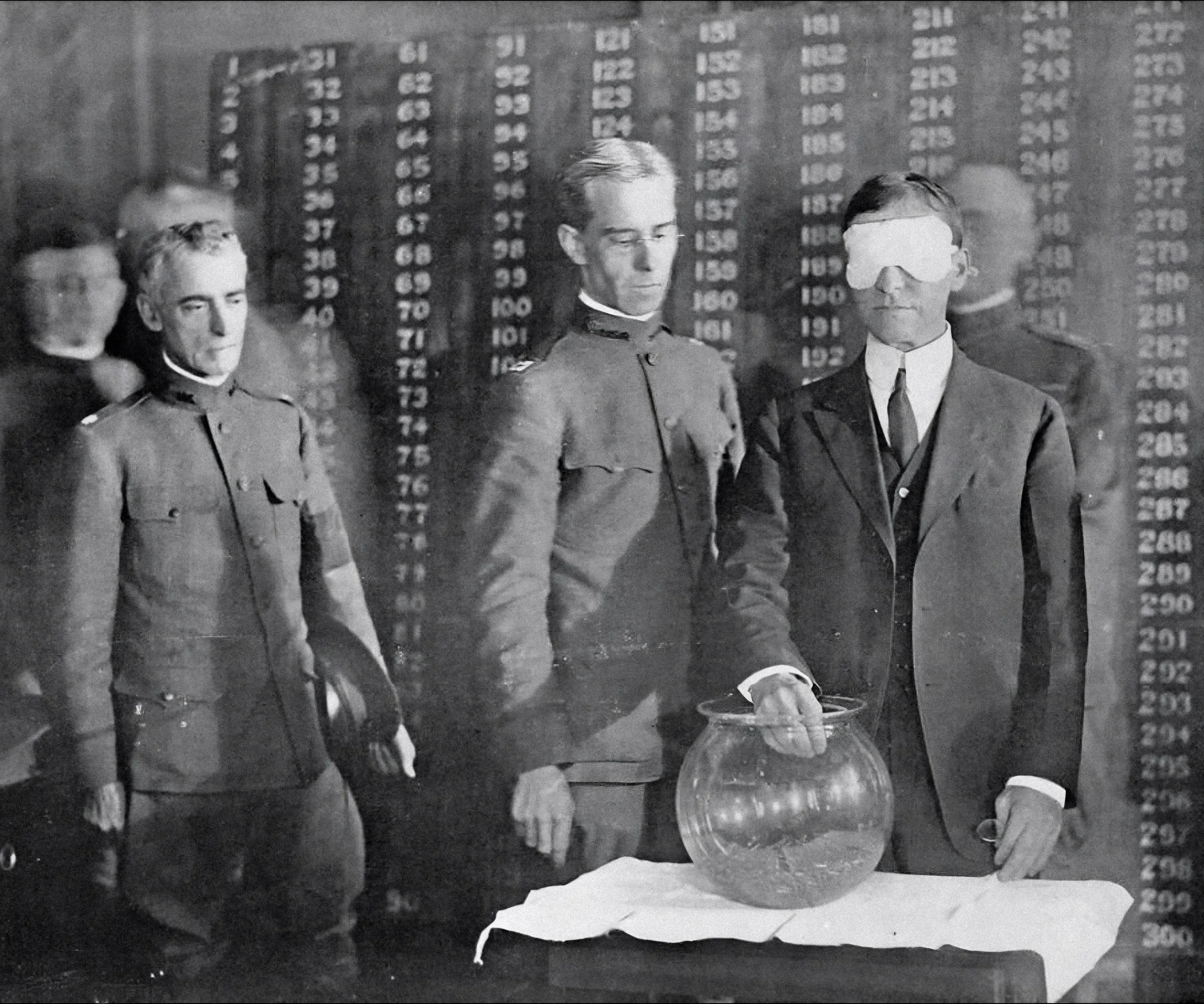
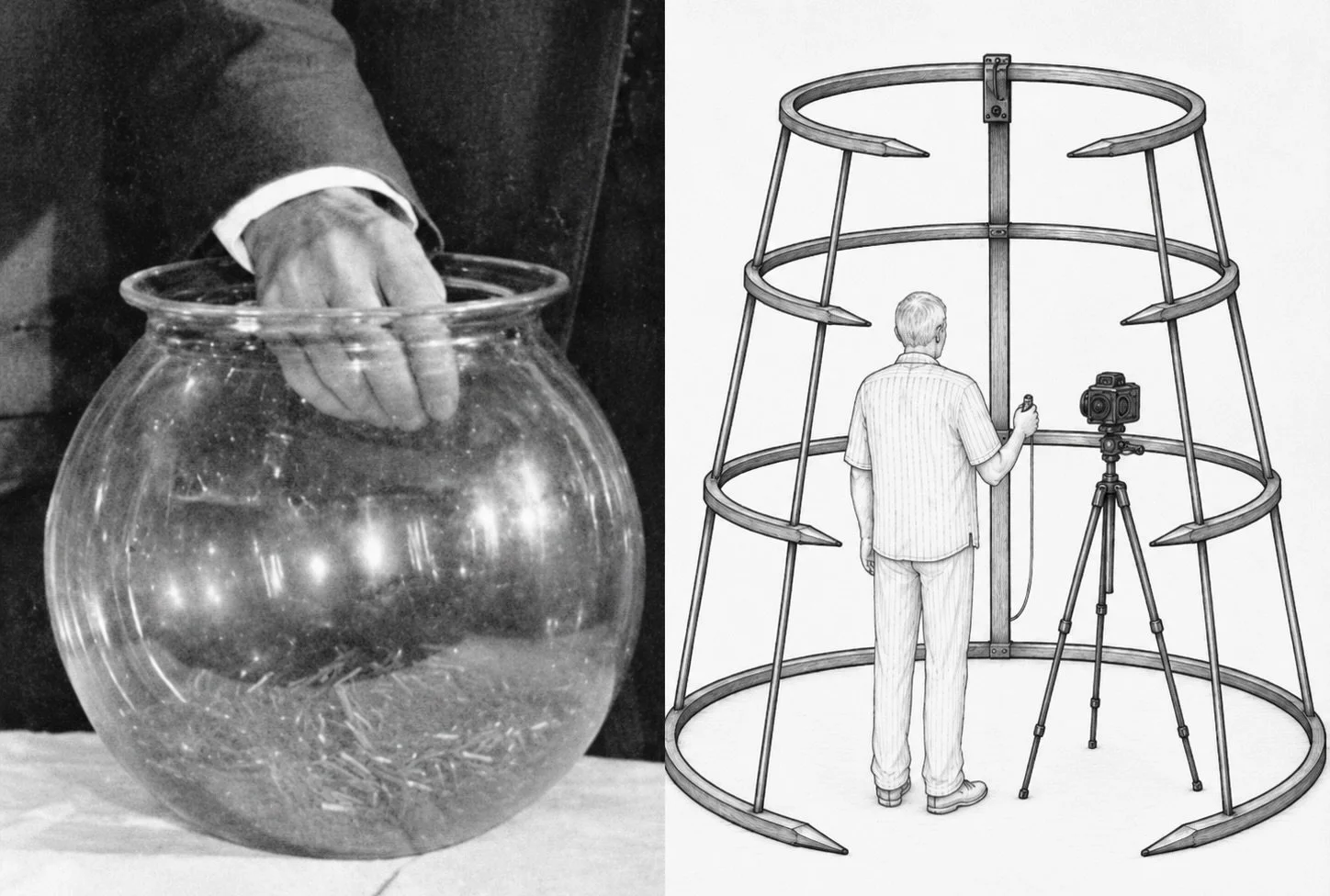
The structure echoes the 1917 draft lottery, but its logic has
changed. Then, selection depended on blindness: the state knew
almost nothing about the person behind the number. Today, our
lives leave behind vast amounts of data, held, processed and
interpreted by systems designed to know us.
A face from the present is placed against a body from the past.
Blindfolded asks what happens when the lottery is no
longer blind. Who decides what a person is useful for when war
returns: the state, the algorithm, or the corporations that hold
our data?
The question is no longer only what these systems know about us,
but what that knowledge makes possible. Systems built to identify,
predict and classify can also assign value, risk and purpose.
What happens when technologies designed to know us become capable
of deciding where we belong and what we might be used for?